About Water Systems and Biotechnology Institute
About us
The Institute of Water Systems and Biotechnology was established in June, 2020 (until then – Research Center for Civil Engineering, which was founded in 2005) within the Faculty of Civil Engineering of Riga Technical University (RTU) in order to enhance a multidisciplinary cooperation between various branches of science. The Institute is a part of RTU Faculty of Natural Sciences and Technology, staff members of the Institute are experts in various fields thus providing solutions for problems in water systems and biotechnology science from different perspectives.
Institute of Water Systems and Biotechnology has set the following objectives
Goals and objectives
- coordinating and conducting research in the biotechnology and water reseach fields;
- develop the application of integrated environmental, mechanical, materials science, biology, biotechnology, applied physics and chemistry, as well as engineering techniques in formulating and solving problems in engineering structures and systems;
- encourage research conducted by students and PhD candidates;
- contribute to the development of the human resources involved in research in the sector;
- cooperate with other scientific institutions and industry partners in the implementation of research activities;
- develop cooperation in the field of fundamental and applied cross-sectoral research with universities, professional associations, educational, public administration and local government institutions, commercial register institutions;
- advise industry partners and businesses;
- attract funding for the implementation of international and regional research projects.

Expertise of the Institute
Expertise
The institute is composed of researchers and experts from different research fields, enabling the Institute to work and act in different fields. Get to know our expertise - research fields, where our researchers are experts.
Urban runoff
We fit into urban environment by introducing nature based solutions into cities, model floods and urban runoffs. As a result, urban runoff quality can be improved.
Microbiology and Molecular biology
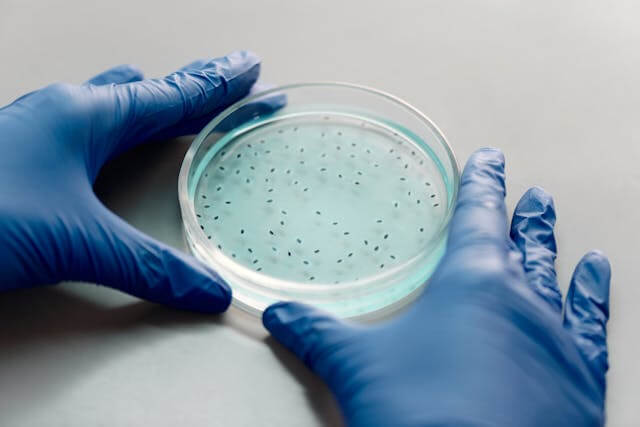
We apply and optimize various molecular and microbiology tools to efficiently monitor and control environmental bioprocesses, water and wastewater quality. Introduction of epifluorescence microscopy, flow cytometry and PCR has allowed to rapidly identify pathogens, control growth and quality of industrial systems and introduce alternative techniques in everyday life.
Bioenergy
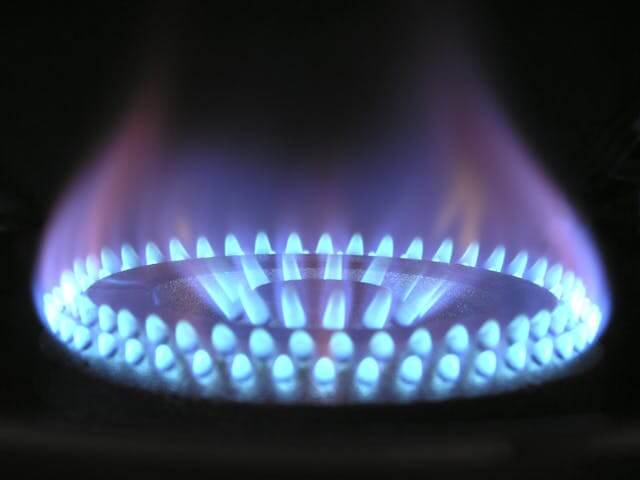
We solve energy issues by using local resources to produce bioenergy. Biogas, liquid biofuels and algal diesel are only some of the products we produce from biomass and waste material.
Biotechnology
We tackle waste degradation and environmental remediation through application of enzyme technologies for waste degradation, use of fermentation processes for high value chemical production and process control via process scale up (pilot level) or scale down (microfluidics).
Wastewater
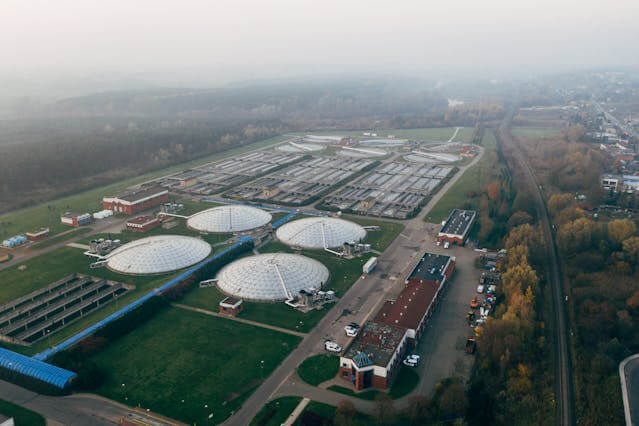
We develop and optimise wastewater treatment technologies and tackle all aspects of sludge reuse. Use of wastewater based epidemiology and risk assessment concepts to aid minimization of health and environmental hazards, like, novel pathogens, antibiotic resistance and micropollutants, are our latest focus.
Drinking water
We design new technologies for water treatment, assess all issues related to water supply and quality, and develop novel online and offline monitoring tools, including biostability concept throughout the distribution system.