News
Our institute's news and events
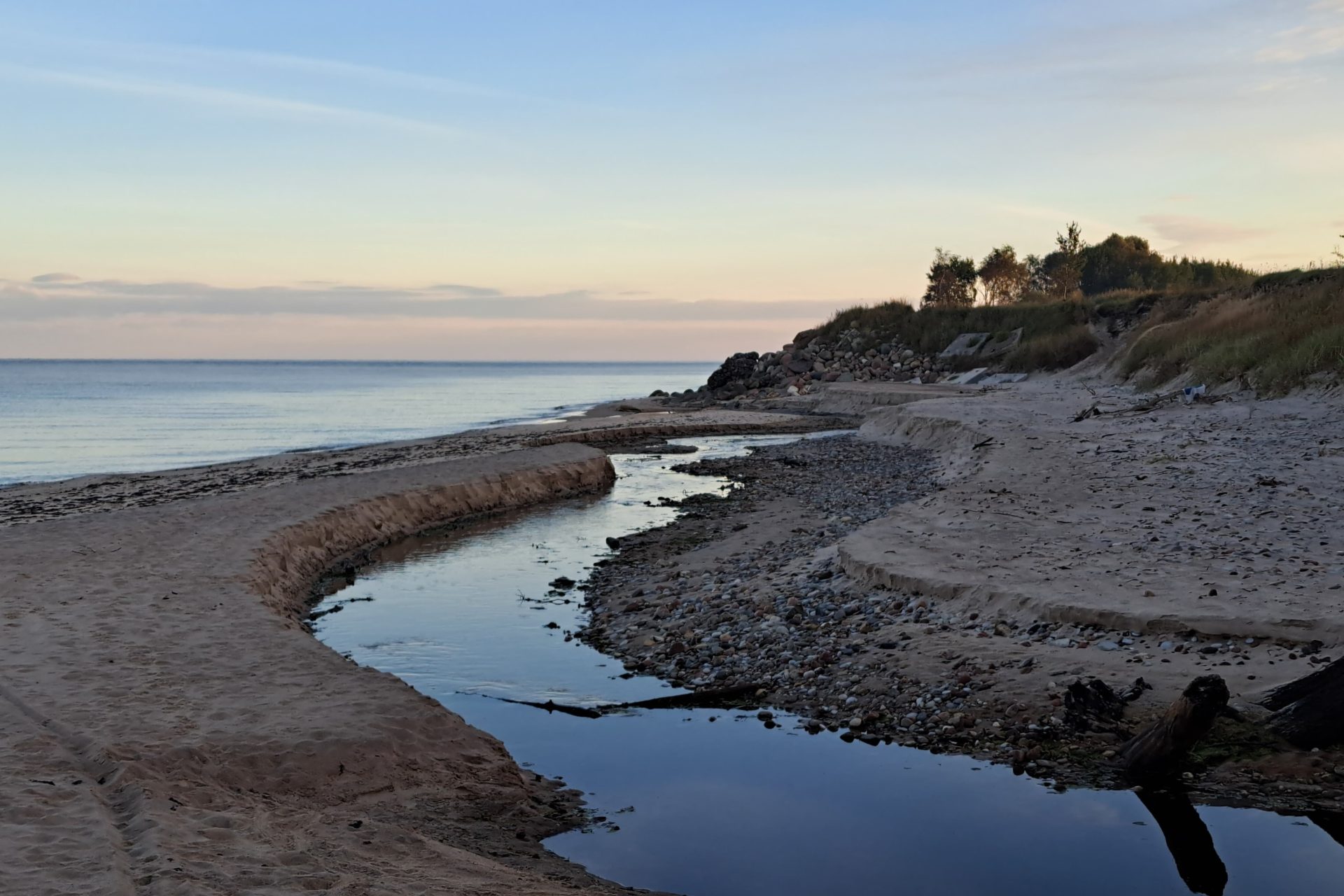
Soon we will install a pilot plant to reduce diffuse
Continuing the project "Safety Plan for Diffuse Pollution Control of Watersheds", scientists at the RTU Institute of Water Systems and Biotechnology are developing solutions to reduce water pollution. Within the framework of the project, work is actively underway on the creation of a pilot plant for the reduction of diffuse pollution. Its operating principle is…

We create solutions to reduce diffuse pollution
Our institute's experts continue their work on developing tools for mitigating diffuse pollution within the framework of the project "Safety Plan for Watershed Diffuse Pollution Control". Read more about what has been accomplished in the last six months! Risk map created! Using geographic information system tools, the risk factors contributing to diffuse pollution in the…

Programme of the “Bioenergy Technologies and Biotechnologies” seminar
The programme of the "Bioenergy Technologies and Biotechnologies" seminar can be viewed here.

Seminar “Bioenergy Technologies and Biotechnologies” programme
Annual seminar "Bioenergy Technologies and Biotechnologies programme You can find here.
Annual Seminar “Bioenergy Technologies and Biotechnologies” on 16.10. – 17.10.2025.
Water Systems and Biotechnology Institute is excited to announce the date of our annual seminar “Bioenergy Technologies and Biotechnologies” that is held as a side event of The 66th International Scientific conference of Riga Technical University. This year the event is extended to 2 days and will be held from 16th to 17th October, 2025…
Seminar “Bioenergy Technologies and Biotechnologies”
2024. gada 17. oktobrī RTU Starptautiskās zinātniskās konferences ietvaros norisināsies ŪSBI rīkotais ikgadējais seminārs "Bioenerģijas tehnoloģijas un biotehnoloģijas". This year we have three topics, and each of them will have a separate sessions in the seminar: We would also like to welcome students in these fields to participate in the poster session, which will also…

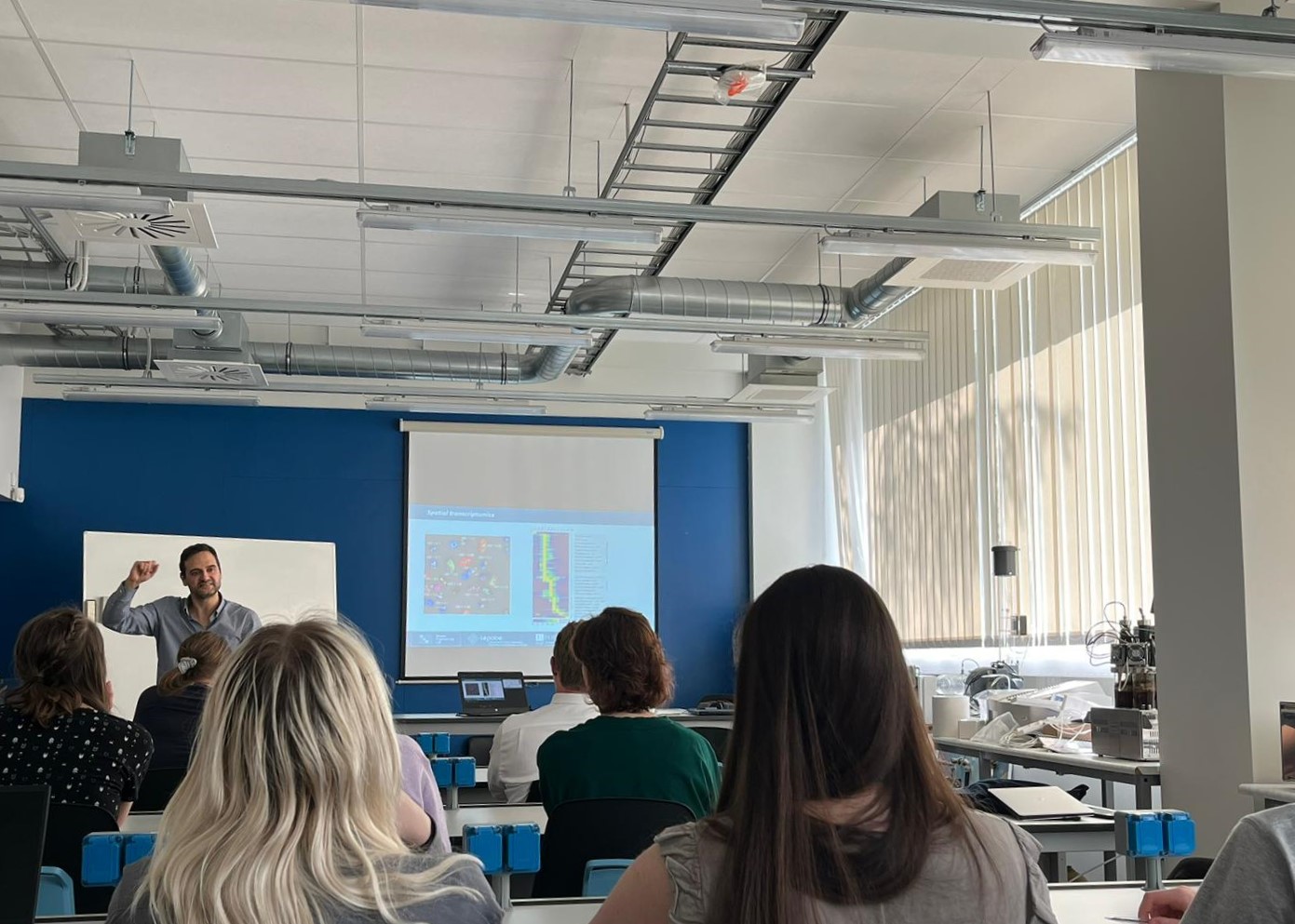
Guest lecture “Spatially-structured microbial communities – novel concepts and methods”
On 23 May, Associate Professor Nuno F. Azevedo of the University of Porto visited the institute with a guest lecture on the latest methods for analysing the spatial structures of biofilms and microorganisms. Research on the analysis of biofilm and microorganism structures began precisely in collaboration with researchers of RTU USBI, and research in Porto…

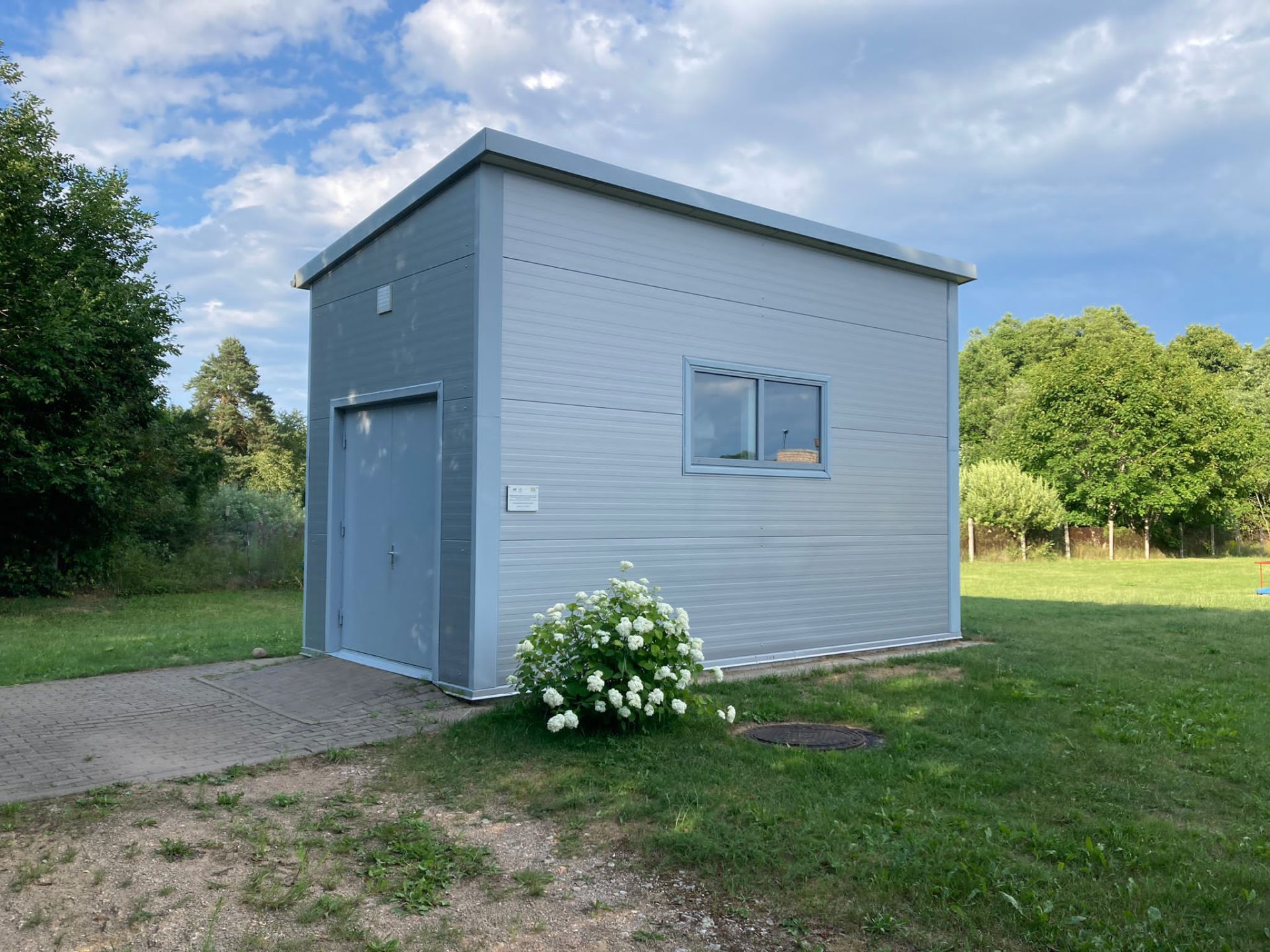
The WATSON early-warning system monitors treated wastewater in Ugāle
For the second month now, the Institute of Water Systems and Biotechnology has been monitoring treated wastewater online. Every minute we obtain data on various physico-chemical parameters. We are able to tell when small biological wastewater-treatment plants are effective in their normal operating mode on a daily and weekly basis, and when there are critical…

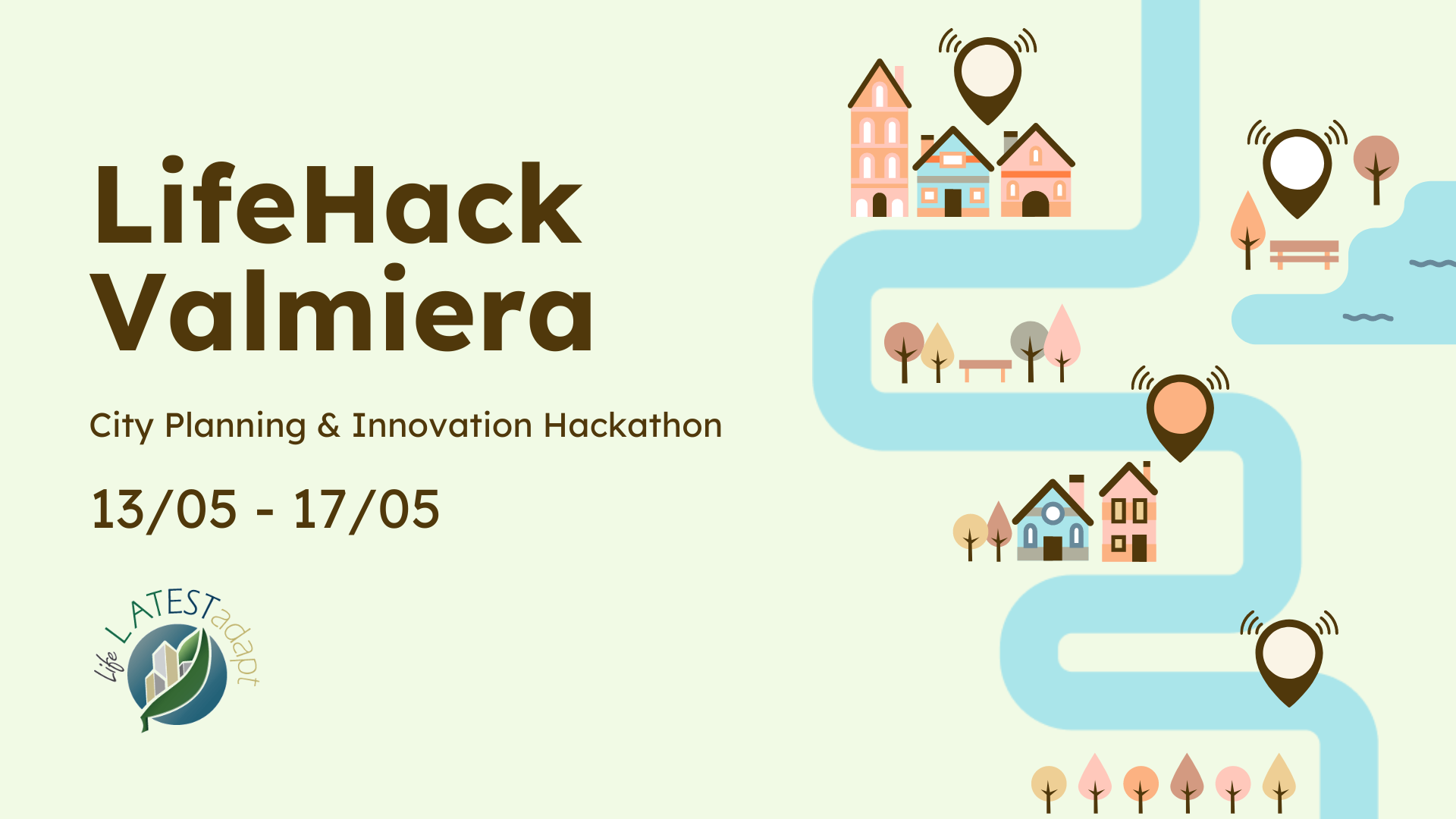
Opportunity to take part in the “LifeHack Valmiera” urban-planning and
From 13 to 17 May 2024, the "LifeHack Valmiera" urban-planning and innovation hackathon will take place. During the hackathon, participants are invited to develop innovative nature-based solutions for the city of Valmiera to mitigate the effects of climate change, as well as to monitor and forecast change, using innovative sensor technologies. The first four days…
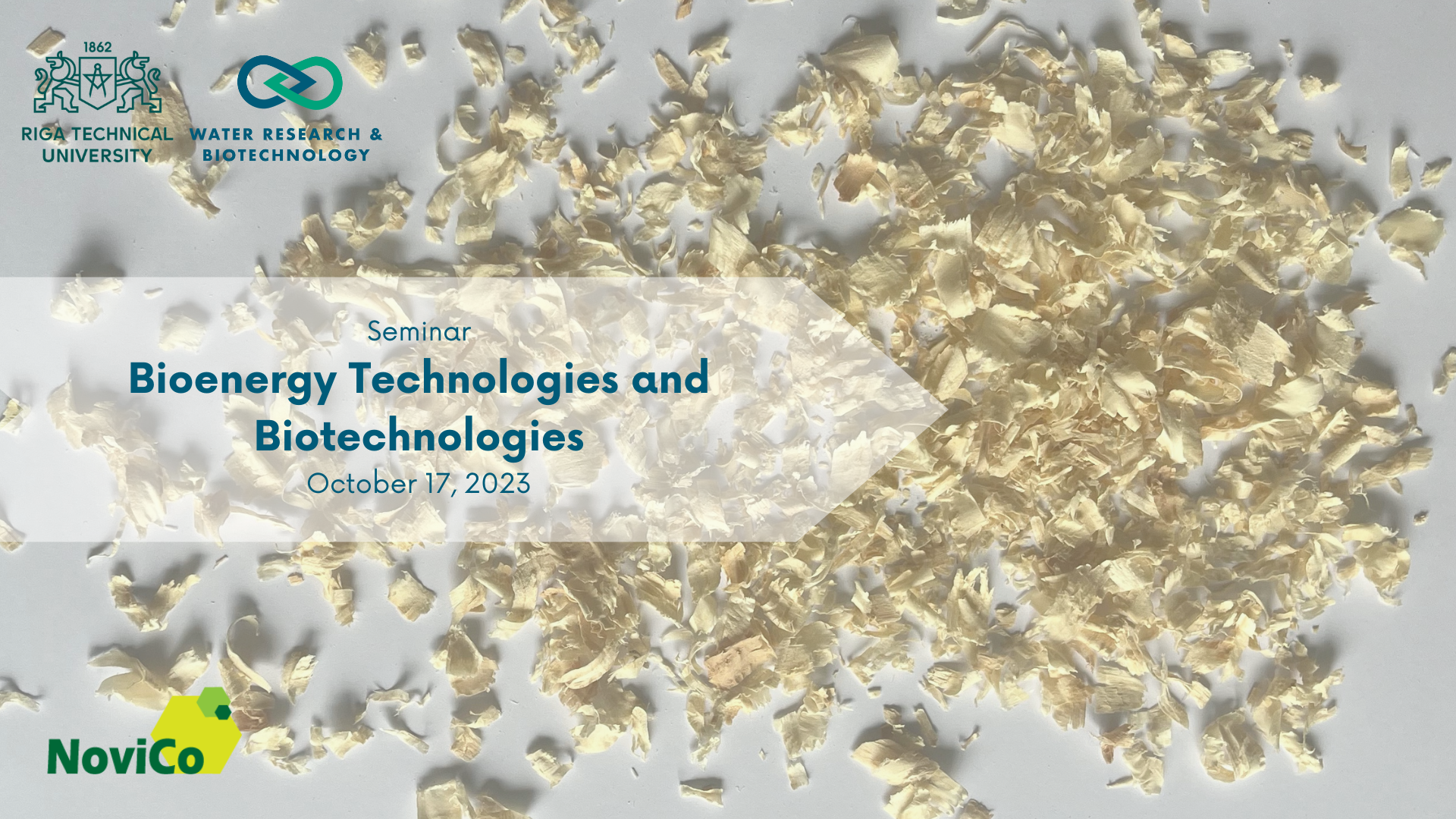
Seminar “Bioenergy Technologies and Biotechnologies”
We are pleased to announce the date of the annual "Bioenergy Technologies and Biotechnologies" seminar! The seminar will take place within the 64th RTU International Scientific Conference on 17 October 2023 at Riga Technical University. This year the seminar will focus on three research directions: The seminar programme is available in Latvian and English. The abstract…
Summer camps 2023
This summer, the institute's staff visited several summer camps, organising science workshops and activities for pupils of various ages. In August, we visited the European Summer School (EVS), where children of the Latvian diaspora explored the topic of environmental microbiology within interest groups, independently carrying out experiments and assessing environmental microbiological contamination. The children learned…